



Jacó is often described through its beach-town energy: surfboards leaning against storefronts, sunset walks along the sand, restaurants spilling into warm evenings, and the easy rhythm of Costa Rica’s Central Pacific coast. But beyond the beach, this region offers something equally memorable: access to some of the country’s most iconic wildlife experiences.
For travelers who love nature, Jacó is more than a place to enjoy the ocean. It is a practical and comfortable base for exploring rivers, forests, coastal habitats, wildlife refuges, and marine environments where Costa Rica’s biodiversity is close, visible, and deeply moving. From scarlet macaws flying across the sky to crocodiles resting along the Tárcoles River, toucans calling from the canopy, sea turtles nesting on nearby beaches, and humpback whales migrating along the Pacific, the Central Pacific reminds visitors that nature is never far away.
For guests staying at Oceano Boutique Suites & Bistro, this means the best of both worlds: the convenience of a lively coastal town and the opportunity to discover the wild beauty that surrounds it.
Jacó: A Central Pacific Base for Nature and Wildlife
One of Jacó’s greatest advantages is its location. Set along Costa Rica’s Central Pacific coast, it offers easy access to beaches, restaurants, cafés, tours, shops, and adventure experiences, while also placing travelers within reach of some of the country’s most fascinating wildlife areas.
This makes Jacó especially appealing for visitors who want flexibility. You can spend the morning relaxing by the beach, the afternoon exploring a river or forest trail, and the evening returning to the comfort of a fully equipped suite. For families, couples, digital nomads, and travelers planning a longer Costa Rica stay, this balance is part of what makes the destination so useful.
Wildlife here does not always require a complicated expedition. Sometimes it appears in the form of a bird crossing the sky, an iguana moving through a garden, or the distant sound of tropical forest life just beyond town. Other experiences can be arranged as guided tours, allowing visitors to see animals safely and responsibly while learning about their habitats.
Scarlet Macaws: A Conservation Success Story in Flight
Few birds announce themselves as dramatically as the scarlet macaw. With its vivid red, yellow, and blue feathers, long tail, and unmistakable call, the scarlet macaw is one of Costa Rica’s most iconic species. Around the Central Pacific, seeing these birds in flight is one of the great privileges of visiting the region.
Their presence is also an important conservation story. Scarlet macaw populations in Costa Rica suffered from habitat loss and poaching in the past, but long-term conservation work in the Central Pacific has helped support their recovery. Research on in-situ management in the region has documented significant recovery of scarlet macaw populations, while conservation history around the Central Pacific notes how critical efforts were needed when the species had been reduced to only a few viable populations in the country.
For travelers, this means that a scarlet macaw sighting is not only beautiful. It is a reminder that conservation can work when habitat protection, research, community awareness, and responsible tourism come together.
Near Jacó, nearby forested areas and the broader Central Pacific corridor provide opportunities to observe these birds. The experience is often unforgettable: a flash of color over the trees, a pair flying together, or the loud call of macaws passing overhead at sunrise or late afternoon.
Crocodiles on the Tárcoles River
A short drive from Jacó, the Tárcoles River is one of the most famous wildlife stops on Costa Rica’s Central Pacific route. The river is known for its American crocodiles, which can often be seen resting along the banks or below the well-known bridge area. It is also part of a larger river and mangrove ecosystem that supports wading birds, waterfowl, and other wildlife.
For visitors, the safest and most informative way to experience the river is through a guided boat tour. Local operators offer safari-style tours that allow travelers to observe crocodiles from a safe distance while also learning about the river, mangroves, birds, and broader ecosystem. Some tours from the Jacó area describe the Tárcoles as being only about a 20-minute drive away, making it one of the most accessible wildlife outings for guests staying in town.
The crocodiles are impressive, but the river itself is part of the story. This is a place where freshwater, mangroves, mudbanks, and coastal ecology come together, showing another side of Costa Rica’s biodiversity.
Toucans in the Forest Canopy
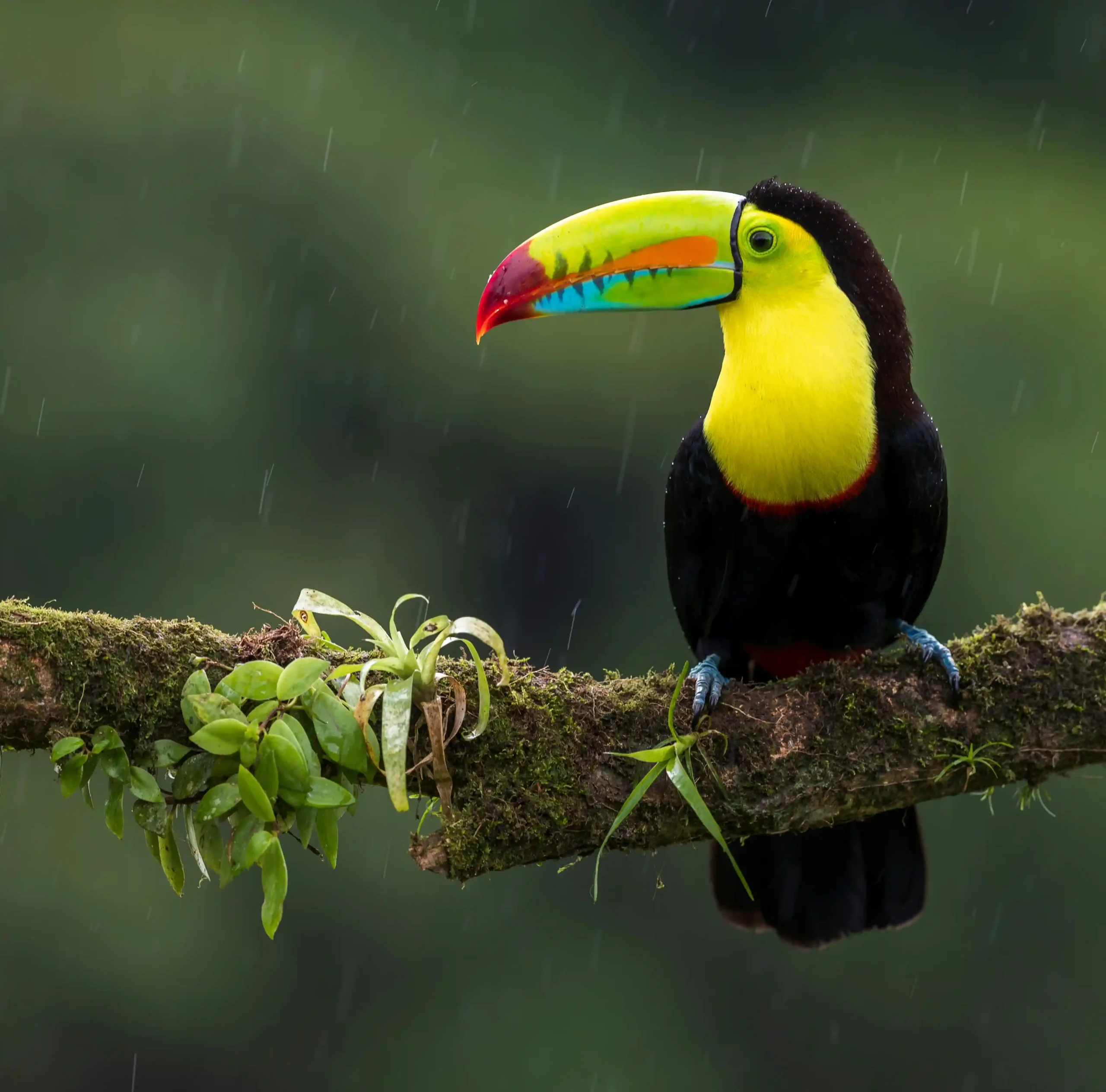
Toucans are another favorite species for travelers visiting Costa Rica. With their oversized bills, bright markings, and distinctive silhouettes, they are among the most recognizable birds in the tropics. Around the Central Pacific, toucans may be seen in forested areas, especially where mature trees, fruiting plants, and protected habitats remain.
Unlike scarlet macaws, which often call attention to themselves in flight, toucans can feel more like a discovery. They may appear high in the canopy, moving between branches or calling from a hidden perch. For nature lovers, spotting a toucan is often one of those small but memorable Costa Rica moments: a reminder to slow down, look up, and listen.
Guests interested in birdwatching can ask the hotel tour desk about nearby nature tours or guided excursions, where local knowledge increases the chances of meaningful sightings. In Costa Rica, a good guide does more than identify birds. They help visitors understand behavior, habitat, seasonality, and the delicate relationships that make tropical ecosystems so rich.

Sea Turtles and Meaningful Travel
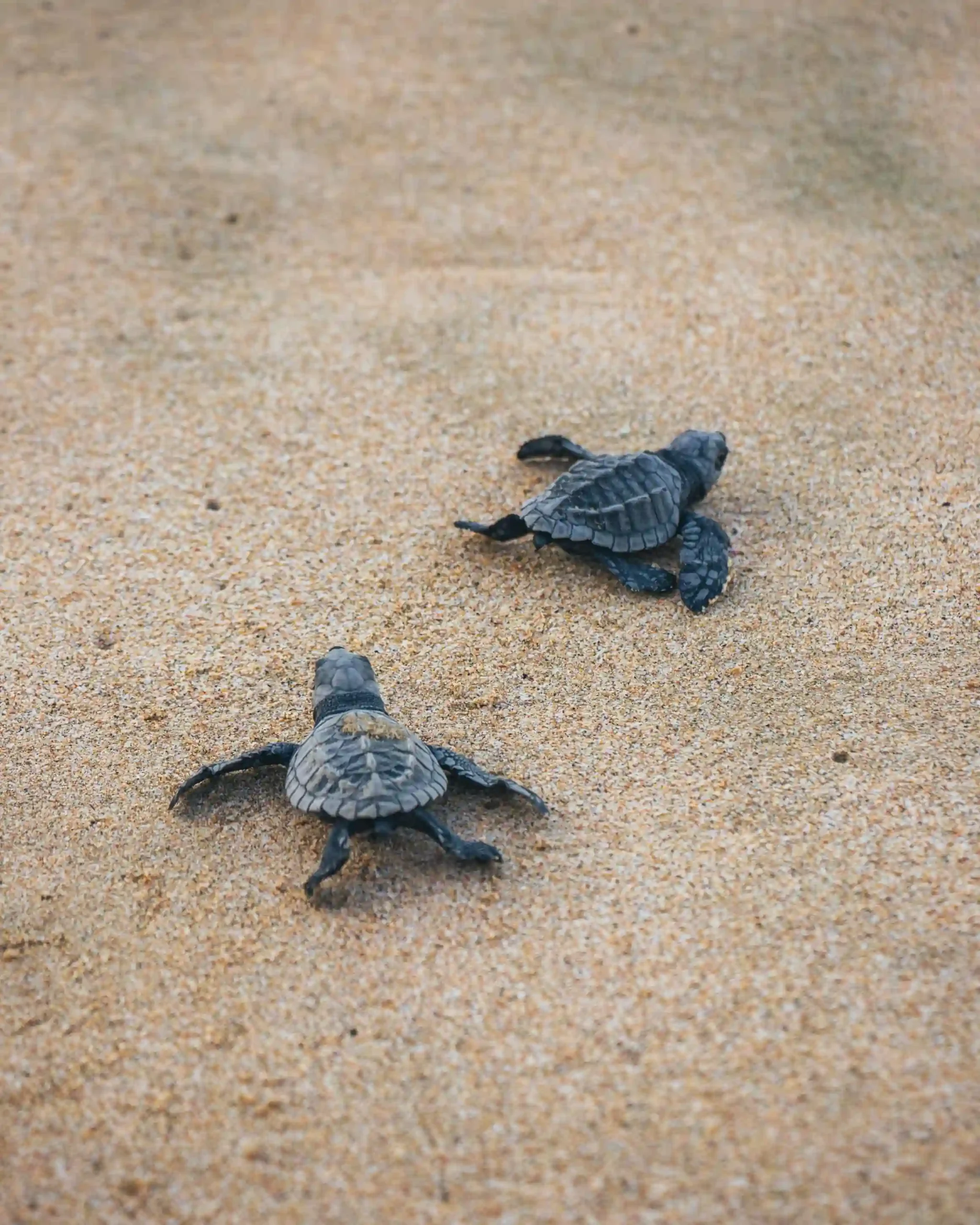
The Central Pacific is also connected to sea turtle conservation. Near Jacó, local initiatives work to protect sea turtles and nesting beaches, including efforts focused on olive ridley turtles in the Playa Jacó area. Guardianes del Mar Playa Jacó describes its work as protecting olive ridley sea turtles in Jacó, Puntarenas, and offers volunteer information for people interested in participating.
This adds a deeper dimension to a stay in Jacó. Wildlife travel does not have to be limited to observation. For guests who want a more meaningful experience, Oceano Jacó’s concierge can be a helpful starting point for asking about volunteering options at the Sea Turtle Refuge Center or other local conservation opportunities available during their travel dates.
Because sea turtle activities are sensitive and seasonal, they should always be approached responsibly, through recognized organizations and with respect for conservation guidelines. When done properly, these experiences can help travelers understand the fragility and wonder of coastal ecosystems.
Humpback Whales Along Costa Rica’s Pacific Coast
Costa Rica’s Pacific coast is also part of a much larger marine story. During whale season, humpback whales migrate through warm tropical waters, creating one of the country’s most extraordinary natural spectacles. While the South Pacific is especially famous for whale watching, the Central Pacific also connects travelers to Costa Rica’s broader marine wildlife routes and seasonal ocean experiences.
For many visitors, whale watching is emotional in a way that is hard to describe. A tail breaking the surface, a mother and calf moving slowly through the water, or the sudden exhale of a whale can turn a vacation day into a lifelong memory. From Jacó, travelers can ask about seasonal whale watching opportunities and nearby coastal excursions, depending on timing, ocean conditions, and tour availability.
Stay at Oceano Jacó and Explore the Wild Side of the Central Pacific
What makes Jacó especially attractive is its combination of comfort and access. Travelers can enjoy restaurants, beach walks, surf lessons, sunsets, and town life while also exploring some of Costa Rica’s most memorable wildlife experiences nearby.
At Oceano Boutique Suites & Bistro at Jacó, fully equipped suites offer the space and flexibility that modern travelers appreciate. After a day of birdwatching, river exploration, beach time, wildlife tours, or conservation experiences, guests can return to a comfortable base where they can rest, cook, plan the next outing, or simply enjoy the slower rhythm of the Central Pacific.
Jacó may be known for the beach, but its greatest surprise is how much nature surrounds it. Look beyond the sand, and you will find scarlet macaws, crocodiles, toucans, sea turtles, whales, and the living landscapes that make Costa Rica one of the world’s most beloved nature destinations.
FAQ: Wildlife Experiences near Jacó, Costa Rica
What wildlife can you see near Jacó, Costa Rica?
Near Jacó, travelers can see a variety of wildlife, including scarlet macaws, toucans, crocodiles on the Tárcoles River, iguanas, tropical birds, sea turtles, and, during the right season, humpback whales along Costa Rica’s Pacific coast.
Is Jacó a good base for wildlife tours in Costa Rica?
Yes. Jacó is a practical Central Pacific base for travelers who want beach-town comfort while staying close to nature experiences, river tours, coastal forests, wildlife refuges, and conservation projects.
Where can you see crocodiles near Jacó?
One of the best-known places to see crocodiles near Jacó is the Tárcoles River. Visitors can observe them safely from designated viewing areas or through guided boat tours that also highlight the river and mangrove ecosystem.
Can you see scarlet macaws near Jacó?
Yes. Scarlet macaws are one of the most iconic birds of Costa Rica’s Central Pacific region. Their recovery in parts of the country is closely connected to long-term conservation efforts, habitat protection, and community awareness.
Are there sea turtle experiences near Jacó?
Yes. Guests interested in sea turtle conservation can ask the Oceano Jacó concierge about volunteering options at the Sea Turtle Refuge Center or other responsible local conservation initiatives available during their travel dates.
When is the best time to see humpback whales in Costa Rica?
Humpback whale sightings along Costa Rica’s Pacific coast are seasonal, with some of the best opportunities generally occurring during migration periods. Guests staying at Oceano Jacó can ask about seasonal whale watching options and tour availability.